
Mmctech Seed Processing Plant Layout & Equipment Solutions
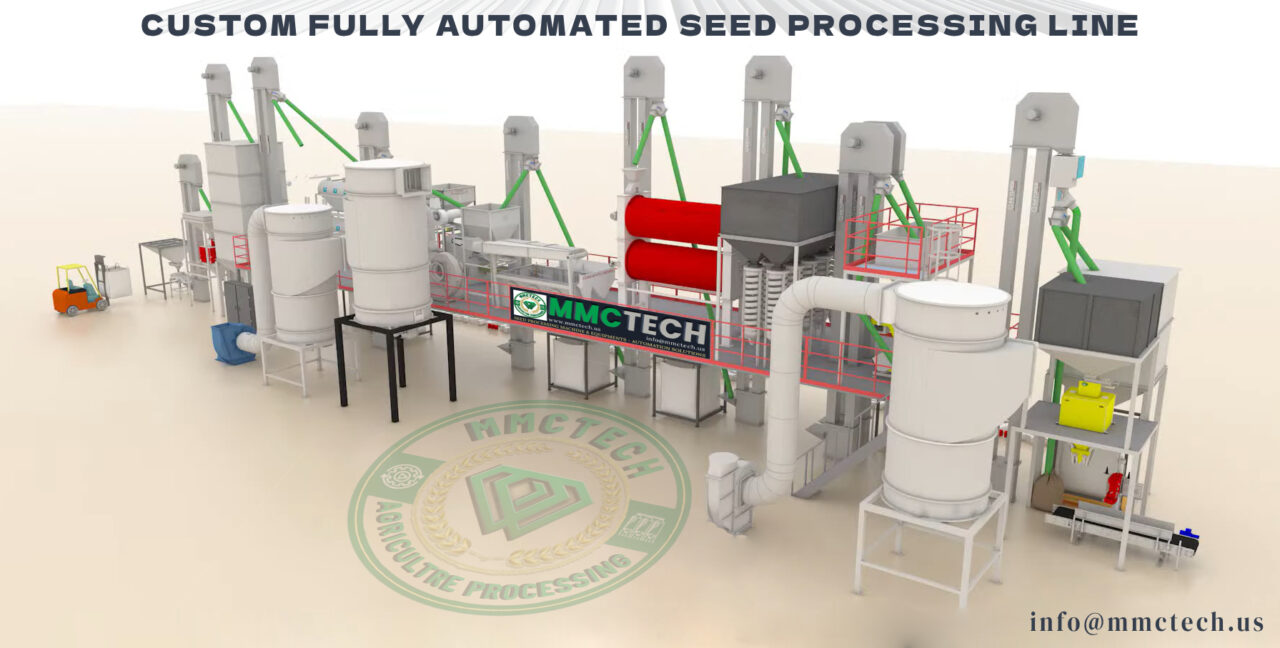
Custom Fully Automated Seed Processing Line for Grains, Legumes, Oil Seeds, Grass Seeds, and Spice Seeds
Efficient seed processing begins with an intelligently planned layout. The design of a seed processing plant must consider the types of seeds, the nature of impurities, and the sequence of seed processing steps. At Mmctech, we design fully automated seed processing lines tailored to the unique needs of your crop varieties.
Intelligent Seed Processing Plant Layout Planning
Seed processing involves cleaning, dehusking, processing, sorting, and segregating seeds before packing and packaging. Consequently, seed processing plants are designed according to the type of seeds and the nature of impurities present. The capacity is determined by the capacity of the seed cleaner. The machines installed are selected based on the need to separate materials and the characteristics of the good and bad seeds, with the latter needing to be removed. To optimize plant operations, the capacity of these machines is matched to that of the cleaner.
Planning includes considerations such as grain elevator capacity, the speed and efficiency of conveyor systems, crop type, impurity nature, and storage needs. Bulk storage is often employed in large-scale plants, and workflow must be carefully designed to reduce bottlenecks and improve throughput.
Seed Processing Solutions by Category
Grain Cleaning Plant: Ideal for wheat, barley, buckwheat, maize, millet, oats, rice, rye, sorghum, and others.
Pulse Processing Unit: Suitable for soybean, dry beans, chickpeas, groundnut, peanut, dry cowpea, dry peas, yellow peas, green peas, garden peas, lentils, lupins, pigeon peas, protein peas, vetch, and more.
Oil Seed Processing Plant: Perfect for cotton seeds, flax seed, grape seed, hazelnut, jojoba seeds, linseeds, mustard seeds, pumpkin seeds, rape seeds, sunflower seeds, sesame seeds, and others.
Spices Seed Processing Plant: Designed for black cumin, black pepper, dry ginger, cumin, mint leaves, rosemary, and others.
Garden Seed Processing Plant: Best for melon seeds, lettuce seeds, onion seeds, parsley seeds, tomato seeds, carrot seeds, and others.
Grass Seed Cleaning Equipment: Suitable for alfalfa seeds, clover seeds, meadow grass, poppy seeds, coffee beans, cocoa beans, cocksfoot, and more.
Key Stages in a Complete Seed Processing Workflow
Seed Pre Cleaner Machine
The seed pre cleaning machine is the first step in the seed processing workflow. Raw seeds are fed into this machine via an elevator. The primary purpose of the precleaner is to remove large-sized impurities such as stones, sticks, leaves, and other debris that can be mixed with the raw seeds. This stage is crucial as it prevents these impurities from entering the subsequent processing stages, which could otherwise damage the equipment or reduce the efficiency of the cleaning process.
Seed Fine Cleaning and Grading Machine
After pre-cleaning, the seeds move on to the seed fine cleaning machine. This machine performs a more detailed cleaning process. Partially cleaned seeds are passed through a cleaner cum grader, which is also connected to an elevator. The machine segregates undersized materials and seeds by using screens and airflow mechanisms. This ensures that only seeds of the appropriate size and quality proceed to the next stage. The fine cleaning process is essential for improving the purity and quality of the seed batch, making it suitable for further processing and eventual planting.
Seed Cleaning & Grading - VIew All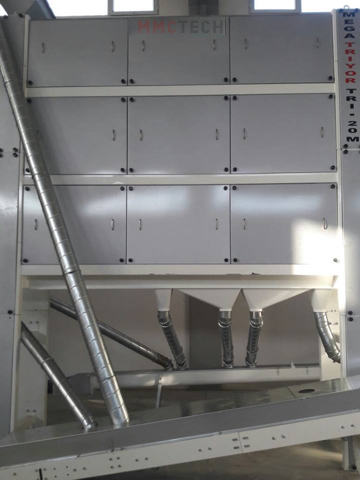
Seed Indented Separator Machine
The seed indented separator plays a vital role in ensuring the uniformity of the seed batch. Cleaned and appropriately sized seeds are sent to the indented cylinder. This machine operates based on the length of the seeds. The cylinder has indents that capture shorter or broken seeds, separating them from the rest of the batch. This process is essential for ensuring that only whole, viable seeds move forward. Broken or damaged seeds can affect the overall quality of the batch and can be less viable for planting.
Destoner Separator Machine
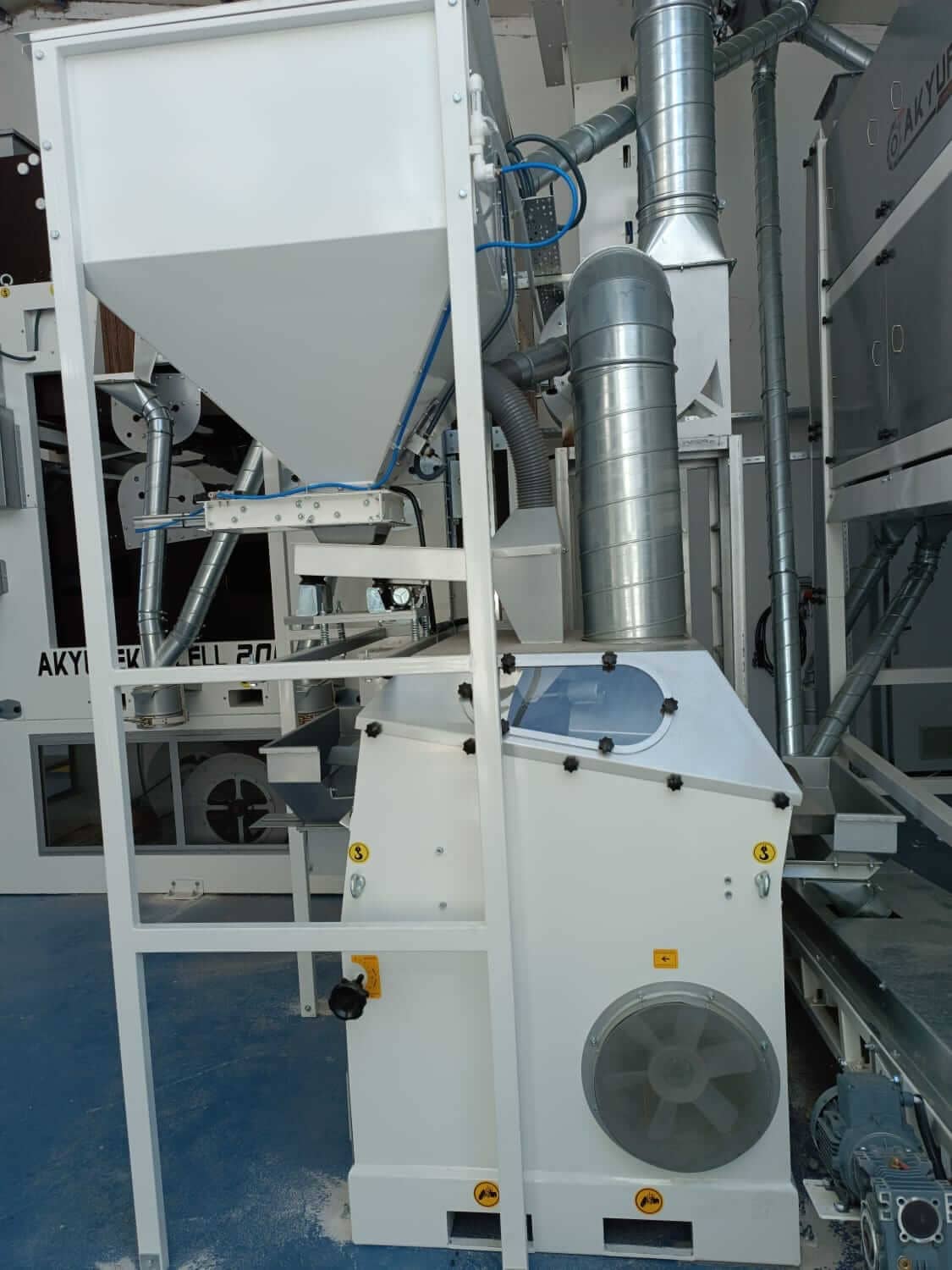
The seed destoner separator machine is designed to remove stones and other heavy impurities from the seed batch. Using a combination of airflow and mechanical separation, this machine effectively distinguishes between seeds and heavier contaminants. This stage is crucial for ensuring that the final seed product is free from harmful debris that could affect the quality and safety of the seeds. Removing stones is particularly important in preventing damage to other machinery and ensuring the purity of the seed batch.
Destoner Separator - View All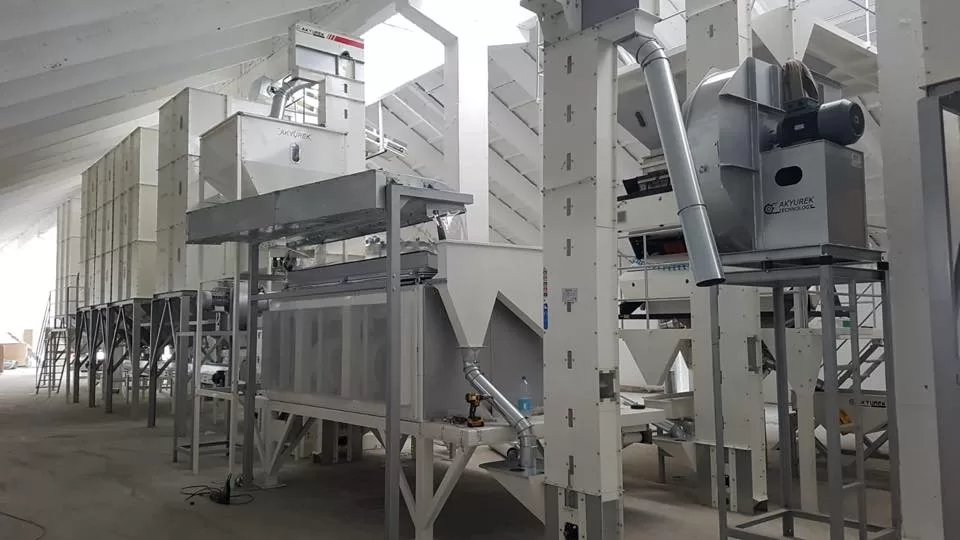
Gravity Separator Machine
In the seed gravity separator machine, light seeds and other lightweight impurities are removed from the seed batch. This machine uses the principle of gravity to separate seeds based on their density. High-quality seeds, being denser, move to one side, while lighter, less viable seeds are removed. This step ensures that only the best seeds are retained for further processing. The gravity separator is essential for enhancing the overall quality of the seed batch, as lighter seeds often indicate lower quality or non-viability.
Gravity Table Separator VIew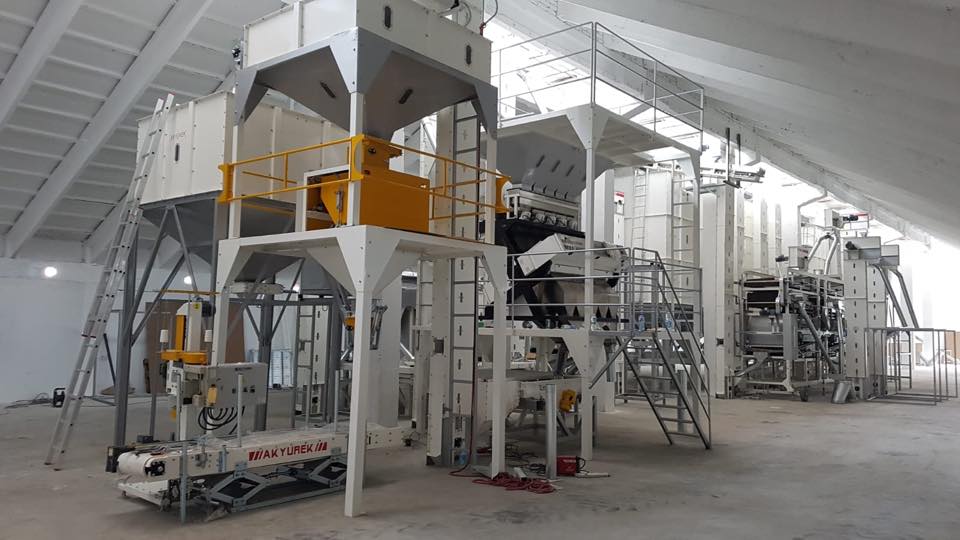
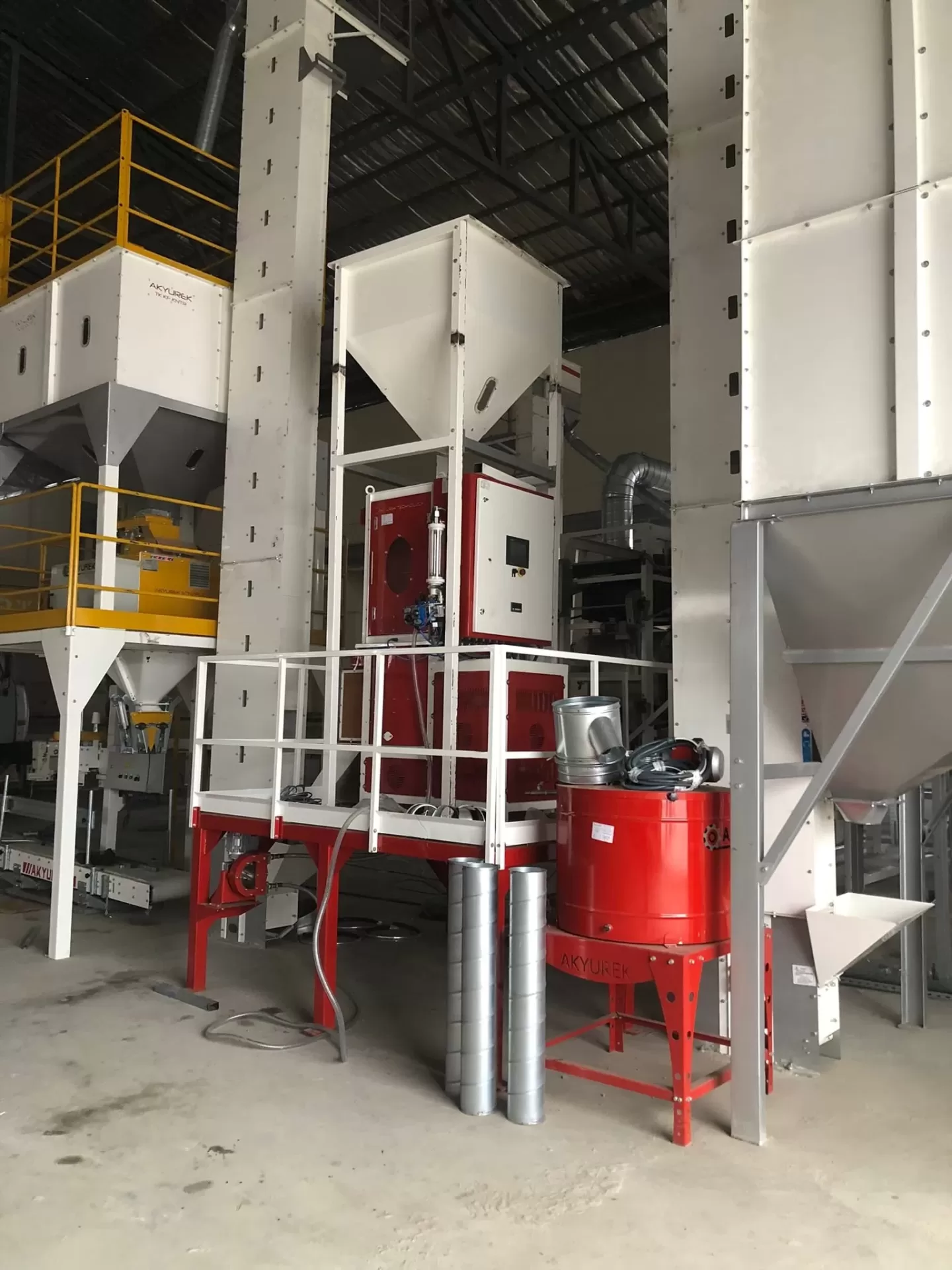
Seed Color Sorter
The seed color sorter machine is an advanced piece of equipment that sorts seeds based on color. Using high-resolution cameras and optical sensors, the machine detects and removes discolored or defective seeds. This process is vital for maintaining the visual and quality standards of the final seed product. Seeds that do not meet the color criteria are rejected, ensuring that only uniform and high-quality seeds are packaged. This step is particularly important for seeds sold for planting, where appearance can affect marketability.
Seed Coating / Seed Treatment Machine
The seed coating machine or seed treatment machine applies protective treatments to the seeds. This can include fungicides, insecticides, or other beneficial treatments that protect the seeds during storage and initial growth stages. Coating seeds can enhance their resistance to diseases and pests, improve germination rates, and provide essential nutrients for early growth. This step is crucial for ensuring the seeds have the best possible start when planted, improving overall crop yield and quality.
Seed Coating Machine - View All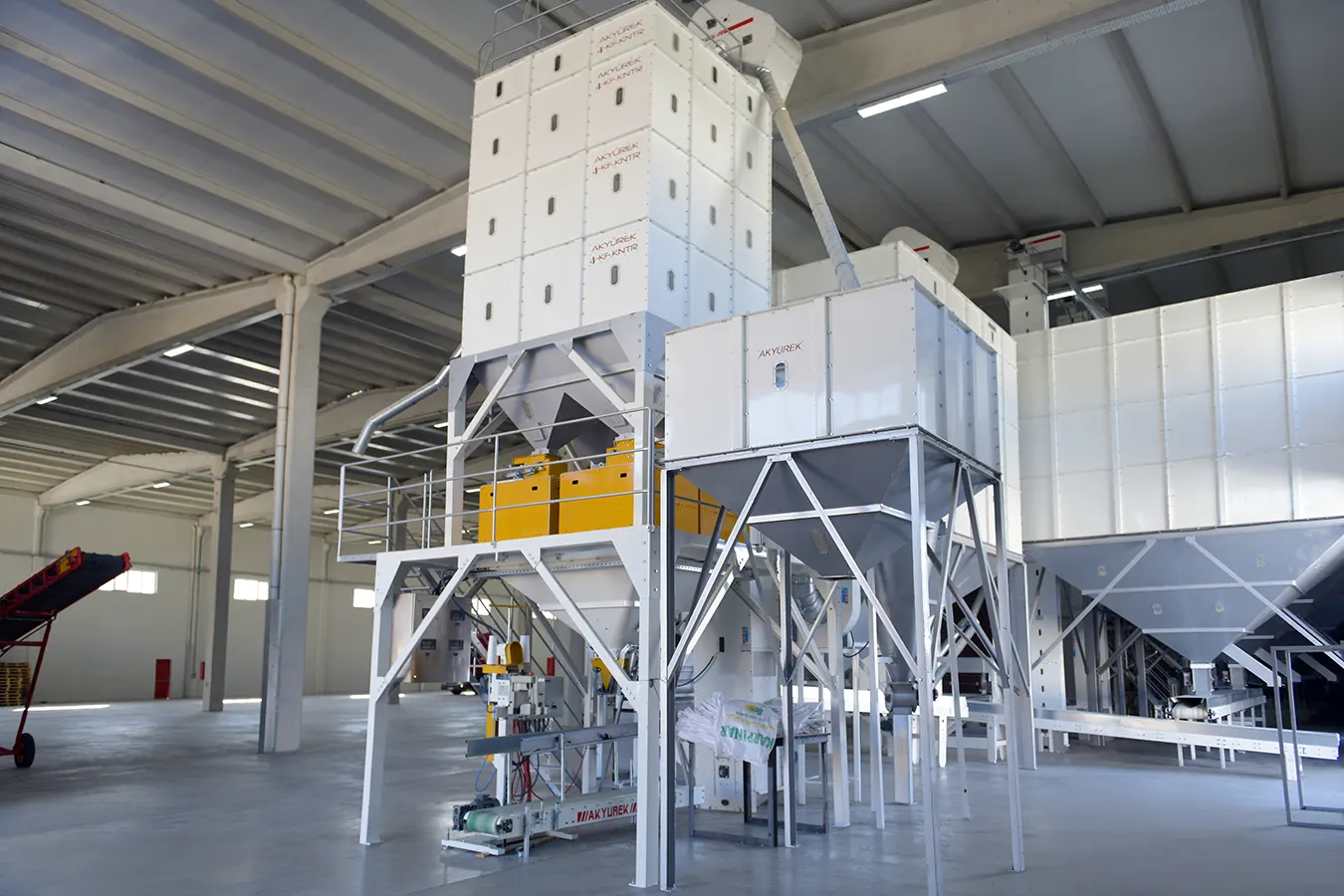
Seed Bag Bagger Equipment
Once the seeds are cleaned, sorted, and treated, they are ready for packaging. The seed bag bagger equipment weighs and packs the seeds into appropriately sized packets or bags. This machine ensures accurate weight measurements and secure packaging, maintaining the quality and integrity of the seeds during storage and transportation. Proper packaging is essential for protecting the seeds from environmental factors and handling damage, ensuring they reach the end user in optimal condition.
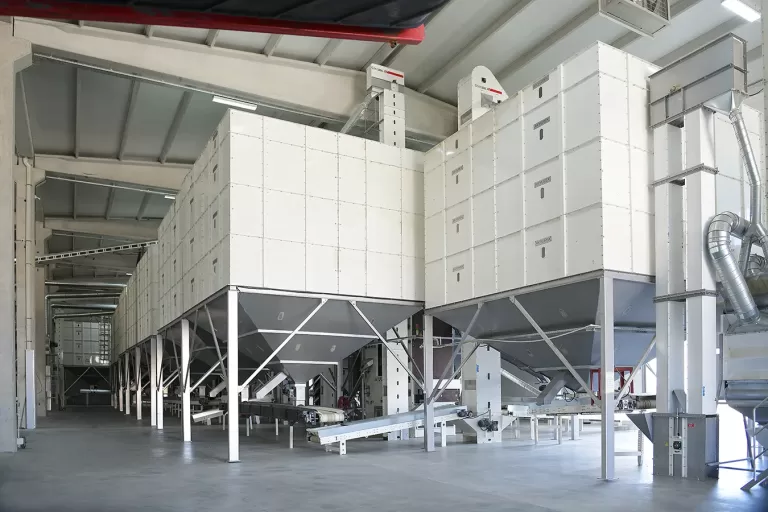
Seed Storage and Silo Equipment
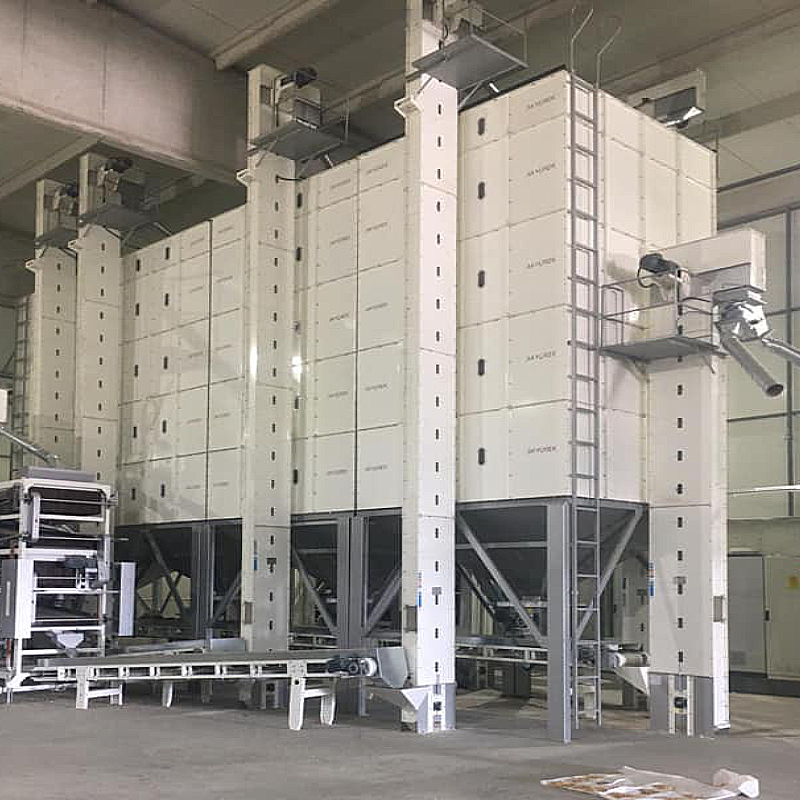
Seed storage and silo equipment provide a controlled environment for storing seeds until they are ready to be distributed or planted. These systems are engineered to maintain optimal temperature, humidity, and airflow, thereby protecting seeds from pests, moisture damage, and deterioration. Properly designed storage facilities help preserve germination rates and ensure the long-term viability of seed batches. Mmctech offers modular silos, insulated storage bins, and integrated aeration systems tailored to a variety of crop types. Efficient inventory management and traceability are further benefits of investing in advanced storage solutions.
Seed Conveyor Equipment
Throughout the seed processing workflow, seed conveyor equipment plays a crucial role in facilitating the smooth movement of seeds between different stages. Conveyors ensure that seeds are transported efficiently and safely from one machine to the next, minimizing handling and reducing the risk of damage. This equipment is essential for maintaining a continuous and streamlined processing flow, enhancing overall productivity and efficiency in the seed processing plant.
Seed Processing Automation Solutions
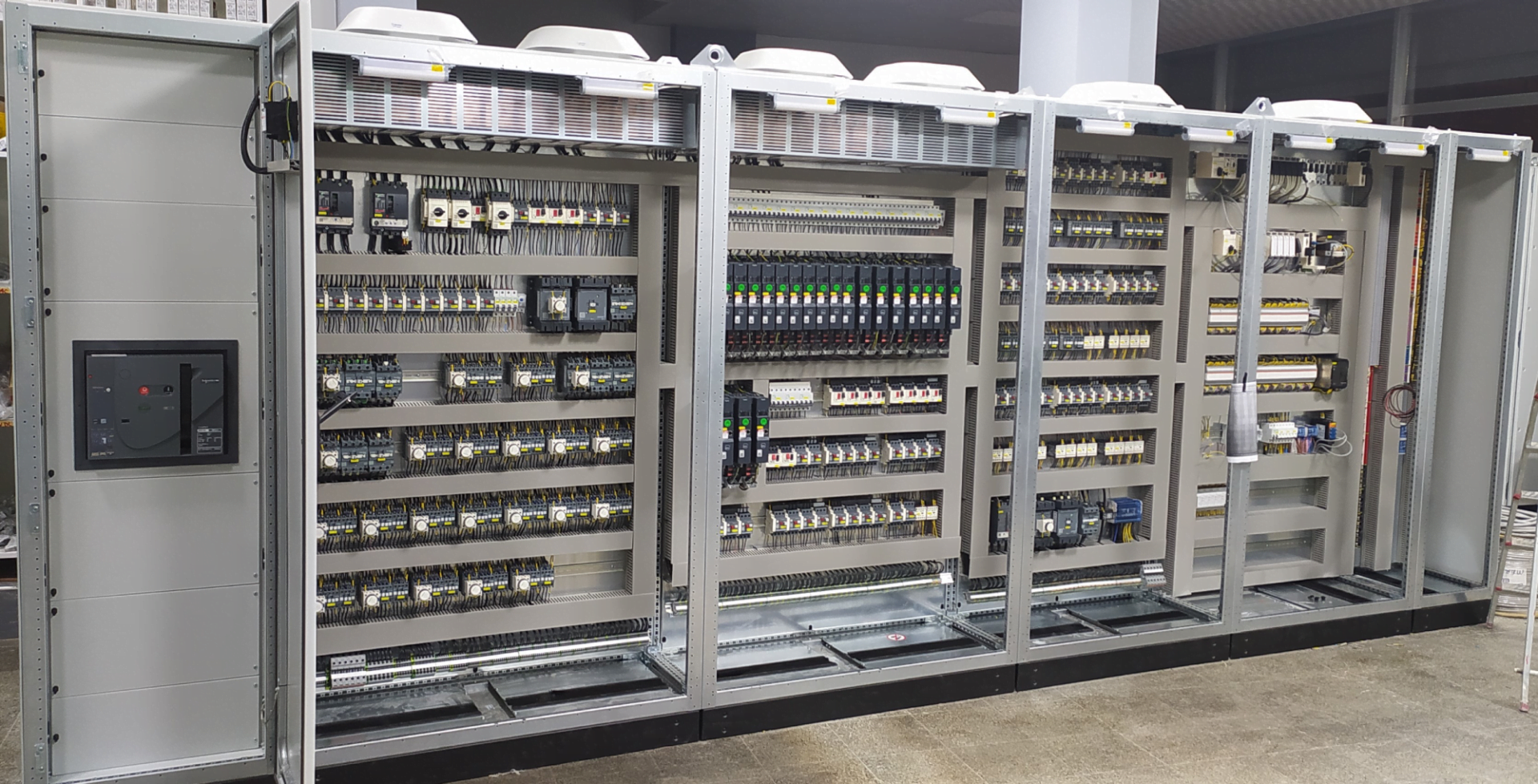
An automation controller integrates and manages all the seed processing equipment within the Mmctech Seed Processing Plant. This system ensures seamless coordination between different machines, optimizing the workflow and increasing efficiency. The automation controller monitors and adjusts the performance of each stage, from seed pre cleaning to packaging. By using real-time data and advanced algorithms, the controller can detect and address issues promptly, minimizing downtime and maximizing throughput. This technology is essential for modern seed processing plants, providing greater control, consistency, and productivity.
SCADA Integration in Seed Processing Plants
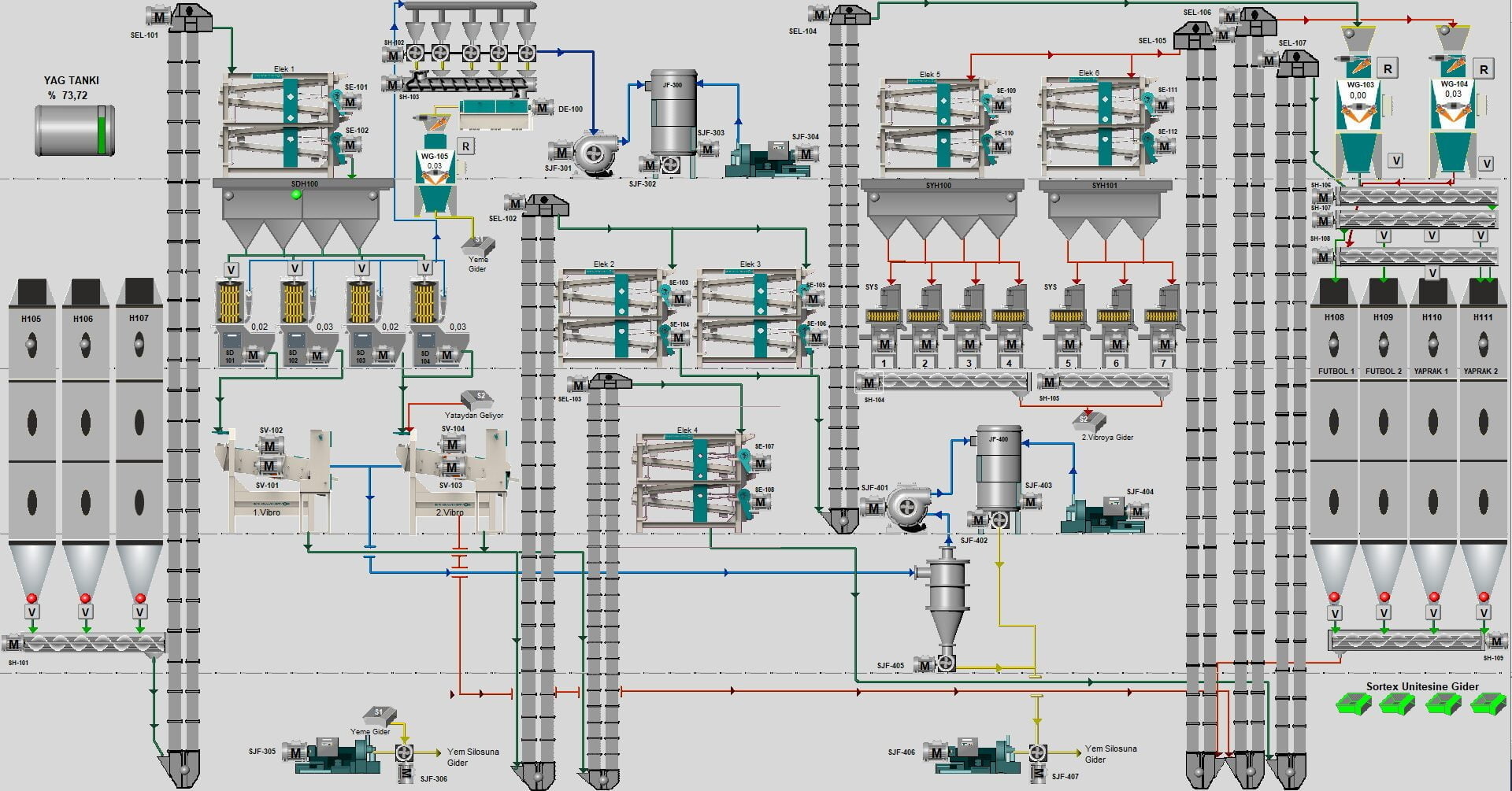
SCADA systems play a crucial role in modern seed processing plants by providing comprehensive monitoring, control, and data analysis capabilities. At Mmctech, our SCADA systems integrate seamlessly with our seed processing machinery, offering real-time insights and automation for enhanced productivity. These systems allow operators to monitor all stages of the seed processing workflow, from pre-cleaning to packaging, ensuring optimal performance and efficiency. SCADA systems collect and analyze data, trigger automated alarms, and notifications, and enhance quality control by maintaining precise processing parameters. With features like centralized control interfaces, customizable dashboards, historical data logging, remote access, and integration with existing systems, Mmctech’s SCADA solutions ensure a comprehensive, efficient, and automated seed processing workflow that enhances seed quality, purity, and marketability.
FAQs – Seed Processing Plant Layout & Machinery
What is the layout of a seed processing plant?
A seed processing plant layout is the structured design and organization of machinery used to clean, sort, grade, coat, and package seeds. It ensures efficient workflow and optimized space usage.
What are the steps in seed processing?
Seed processing involves pre-cleaning, fine cleaning, grading, destoning, gravity separation, color sorting, treatment, bagging, and storage.
What is plant layout and types of plant layout?
Plant layout refers to the physical arrangement of machines in a facility. Common types include product layout, process layout, fixed-position layout, and hybrid layout.
What is the seed grading process?
Seed grading is the process of classifying seeds based on size, shape, weight, and viability using equipment such as indented separators, screen graders, and gravity separators.

Looking for Seed Cleaning & Processing Solutions?
Mmctech provides high-efficiency seed processing equipment, grain cleaning machines, pulses cleaning systems, and automation-based solutions for all types of seeds. If you're searching for reliable seed cleaning, grain sorting, or complete processing lines, we’re here to support your operation from start to finish.
Get in Touch